Building operational control across complex and distributed mining fleets
This whitepaper explains how a Mining Fleet Management System (MFMS) should be designed to support real-world mining operations—where fleets are large, sites are remote, conditions change daily, and decisions must be made quickly. It focuses on turning fleet data into reliable operational insight for productivity, safety, and asset availability, rather than standalone tracking or reporting tools.
Mining & Energy
Fleet Management Systems
Operations, Safety, and Asset Utilization
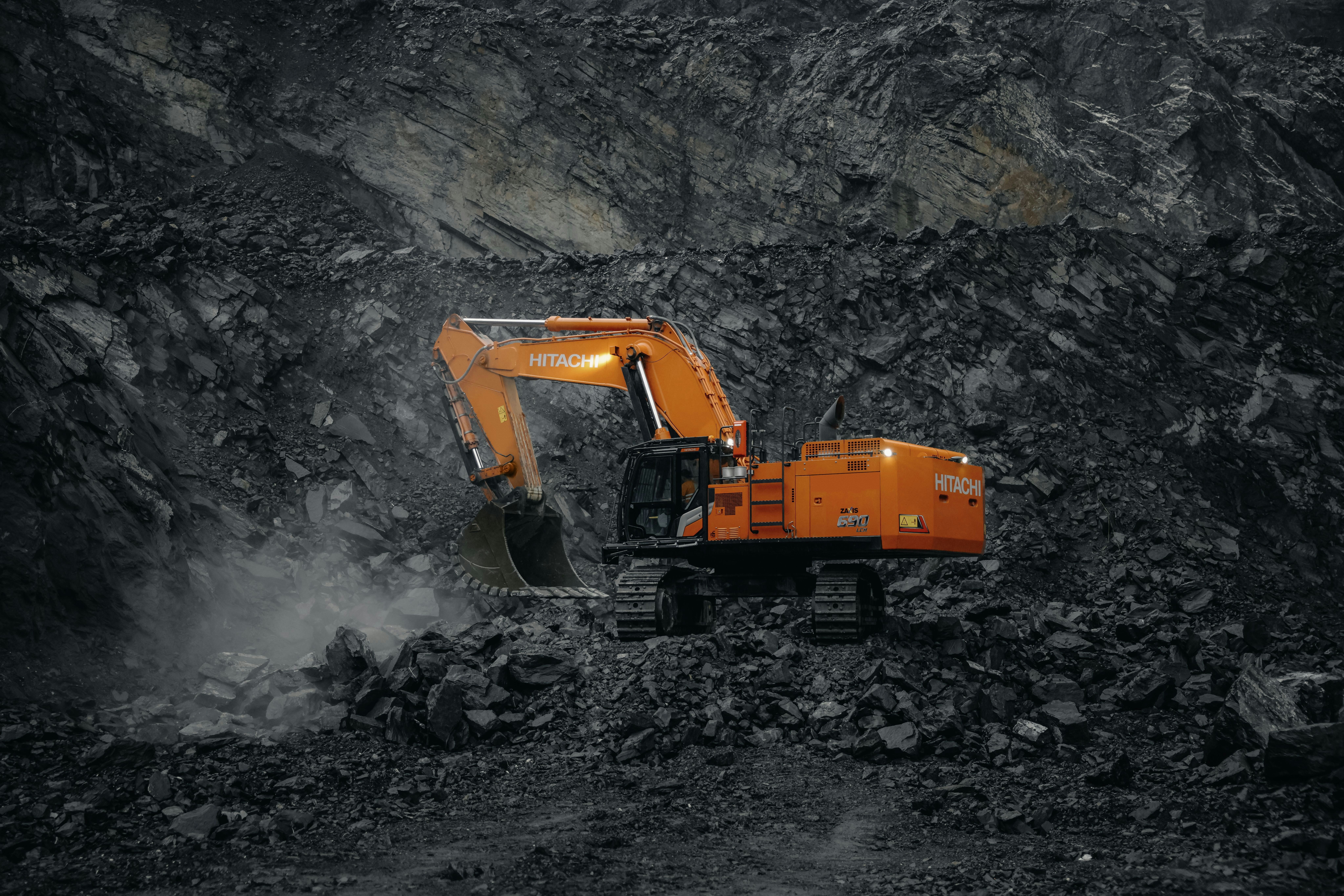
Fleet complexity is the real challenge, not fleet size.
Without a unified management system, this complexity leads to inconsistent productivity, hidden downtime, and unreliable reporting.
Delayed visibility creates operational blind spots.
Issues such as excessive idling, abnormal cycle time, or unsafe behavior are discovered too late to prevent losses or incidents.
Productivity and safety cannot be managed separately.
Unsafe driving behavior, operator fatigue, and poor equipment condition directly affect cycle time, maintenance cost, and unplanned downtime.
The reality of mining fleet operations
Mining operations depend on continuous material movement under harsh and variable conditions. Changes in haul distance, weather, loading efficiency, or operator behavior can significantly affect daily output. Without reliable fleet intelligence, supervisors rely on assumptions rather than evidence.
What a Mining Fleet Management System actually is
A Mining Fleet Management System is not just GPS tracking or dispatch software. It is an integrated system that combines fleet movement, asset usage, equipment condition, and operator behavior into a single, decision-ready operational view.
Core capability areas
Fleet movement and productivity
Real-time and historical location tracking
Haul cycle and ritase analysis
Loading, hauling, dumping, and queue-time visibility
Geofence-based activity recognition
Asset utilization and availability
Engine runtime and idle analysis
Utilization per unit and per shift
Early identification of underperforming assets
Safety and operator behavior
Fatigue and prolonged operation indicators
Harsh driving and abnormal movement detection
Near-miss and collision risk awareness
Maintenance and asset health
Usage-based maintenance planning
Early warning of abnormal operating patterns
Reduced reliance on calendar-based maintenance

Design principles for reliable deployment
Assume unstable connectivity and remote conditions
Support mixed fleets and incremental installation
Focus on exception-based alerts, not constant notifications
Present data in operational language, not raw telemetry
Operational impact
When implemented correctly, a Mining Fleet Management System enables faster decision-making, more predictable production, improved safety performance, and higher asset availability. Most importantly, it creates a shared operational truth between site teams, management, and technical stakeholders.
Trusted in complex operating environments
Netra supports operations teams across industrial and environmental contexts. References and case details are shared upon request.



Whitepaper
Ready to improve operational visibility across sites and fleets?
Talk to our team about a scoped deployment aligned to your operational priorities.